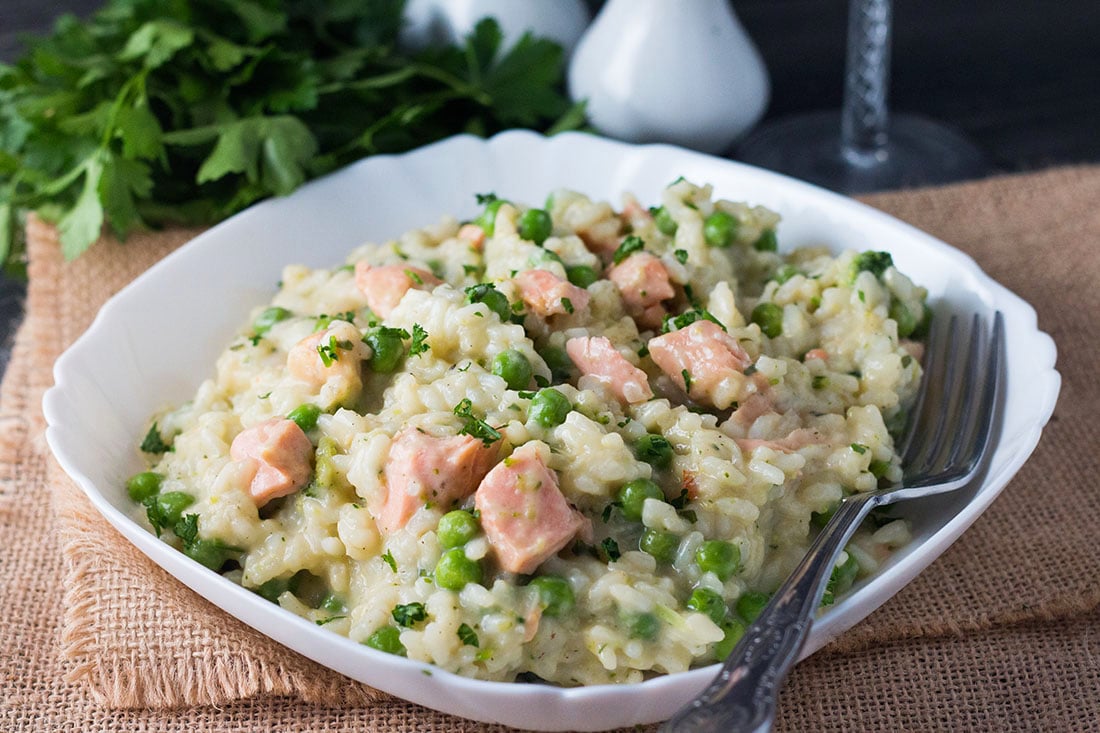
Imagine a creamy, comforting bowl of risotto, rich with tender flakes of salmon and sweet peas, ready in just 30 minutes without the endless stirring. For many home cooks, risotto is a dish reserved for special occasions or when they have ample time to dedicate to the stove. The traditional method, with its meticulous ladling of stock and constant stirring, can feel daunting. But what if we told you there's a secret to achieving that luscious texture and incredible flavor with minimal effort? Get ready to redefine your understanding of this Italian classic with our foolproof recipe for an easy salmon and pea risotto that requires no constant stirring.
The Myth of Constant Stirring: Unlocking Easy Risotto
For centuries, Italian nonnas and esteemed chefs have sworn by the constant stirring method for risotto. The conventional wisdom dictates that this continuous agitation is essential to coax the starch out of the Arborio rice, creating that signature creamy texture. While there's undeniable beauty and technique in the classic approach, the truth is, you don't need to chain yourself to the stove to create a stunningly delicious risotto.
Our method for this easy salmon and pea risotto challenges this long-held culinary belief. Instead of gradual additions and constant stirring, we employ a more streamlined process that allows the rice to absorb the liquid and release its starches more passively. The result is a wonderfully creamy dish that, while perhaps subtly different in texture to a traditional, painstakingly stirred risotto, is equally satisfying and delicious. In fact, many who taste this easier version are often surprised by its richness and ask for the recipe!
This "no-stir" approach is a game-changer for busy weeknights, transforming risotto from a special project into an accessible, everyday meal. It embraces efficiency without compromising on taste, proving that sometimes, breaking from tradition can lead to equally delightful culinary innovations. For those who enjoy the classic technique, there's always the elegant approach found in Mary Berry's Creamy Salmon Pea Risotto: Stovetop Perfection or the refined methods in Jamie Oliver's Indulgent Salmon Pea Risotto: Technique for Richness, but for a quick, comforting meal, our no-stir version stands tall.
Why Easy Salmon and Pea Risotto is Your New Weeknight Hero
This easy salmon and pea risotto isn't just about saving time; it's about creating a wholesome, satisfying, and incredibly flavorful meal with minimal fuss. It brings together lean protein, vibrant vegetables, and comforting grains into a single, convenient pot.
The Star Ingredients: Salmon, Peas, and Arborio
- Salmon: A fantastic source of Omega-3 fatty acids, protein, and essential vitamins. For this quick risotto, you can use fresh or frozen salmon fillets. The beauty of this recipe is that the salmon can be gently poached directly in the simmering risotto, infusing it with flavor and ensuring it stays incredibly moist and tender. It flakes beautifully into the creamy rice, offering a delicate richness.
- Peas: Frozen peas are a freezer staple and perfect for this dish. They add a burst of sweet flavor, vibrant color, and a healthy dose of vitamins and fiber. Added towards the end, they retain their freshness and slight crunch.
- Arborio Rice: The cornerstone of any great risotto. Arborio rice is a short-grain Italian rice known for its high starch content. It's this starch that, when released, gives risotto its characteristic creamy texture. Even without constant stirring, Arborio rice performs its magic as it slowly absorbs the stock, swelling and softening while releasing its starches.
Building Flavor: Aromatics, Stock, and Freshness
Beyond the core trio, a few simple ingredients elevate this dish from good to extraordinary:
- Aromatics: Finely diced onion or shallots and minced garlic form the foundational flavor base, adding depth and warmth.
- Quality Stock: Chicken, vegetable, or fish stock serves as the primary cooking liquid and flavor vehicle. Using a good quality, warm stock is crucial for enhancing the overall taste.
- Lemon: A squeeze of fresh lemon juice or a sprinkle of zest brightens the entire dish, cutting through the richness and adding a delightful tang.
- Fresh Herbs: Dill and parsley are classic companions to salmon and peas, offering a fresh, herbaceous lift.
- Parmesan Cheese: Stirred in at the end, Parmesan adds a salty, umami-rich creaminess that is simply irresistible.
Together, these ingredients create a symphony of flavors and textures: the silky rice, the flaky salmon, the sweet pop of peas, and the bright, fresh notes of lemon and herbs. It’s a meal that feels both indulgent and light, perfect for any day of the week.
Mastering Your No-Stir Risotto: Tips for Perfection
While this easy salmon and pea risotto is incredibly forgiving, a few simple tips can elevate your dish to restaurant-quality status:
Choosing Your Salmon Wisely
You can use fresh or frozen salmon for this recipe. If using frozen, ensure it's fully thawed before adding it to the pot. Skin-on or skin-off is a personal preference; if skin-on, you might want to gently remove the skin after cooking and before flaking the salmon. Alternatively, if you have leftover cooked salmon, you can simply flake it and stir it in at the very end with the peas, ensuring it's warmed through without overcooking.
The Power of Stock
Always use warm or hot stock. Adding cold stock to hot rice cools down the entire pot, slowing down the cooking process and potentially affecting the final texture. Keep your stock simmering gently on a back burner if you prefer to add it in stages, or simply warm it thoroughly before adding it all at once for the no-stir method.
Finishing Touches That Matter
- Don't Forget the Fat: A knob of butter stirred in at the very end, along with the Parmesan, creates an extra luxurious and glossy finish.
- Resting Period: After stirring in the final ingredients, let the risotto rest, covered, for 2-3 minutes off the heat. This allows the flavors to meld and the risotto to achieve its ultimate creaminess.
- Seasoning is Key: Taste and adjust seasoning as you go. Risotto needs a good balance of salt. The Parmesan cheese will add saltiness, so be mindful when adding extra.
Beyond the Basic: Customizing Your Easy Salmon and Pea Risotto
While delicious as is, this recipe is incredibly versatile. Consider these additions:
- Veggies: Stir in fresh spinach or asparagus spears during the last 5 minutes of cooking for added greens. Sautéed mushrooms can also be a wonderful addition.
- Herbs: Experiment with different herbs like fresh chives or tarragon for varying flavor profiles.
- A Splash of Wine: For an extra layer of complexity, deglaze the pan with a splash of dry white wine after toasting the rice, allowing it to evaporate before adding the stock.
- Spicy Kick: A pinch of red pepper flakes can add a subtle heat if you enjoy a little spice.
This easy salmon and pea risotto offers a complete and balanced meal in one pot, making it not only convenient but also nutritionally sound. Serve it with a simple side salad and a glass of crisp white wine for a truly delightful dining experience.
In conclusion, the idea that risotto must be a laborious endeavor is a myth ready to be debunked. This easy salmon and pea risotto recipe proves that incredible flavor and luxurious creaminess can be achieved in just 30 minutes, without constant stirring. It's a dish that caters to modern life, offering comfort, nutrition, and gourmet taste with unprecedented ease. So, put down your ladle, trust the process, and prepare to be amazed by your new favorite weeknight meal!
